Living Relationally
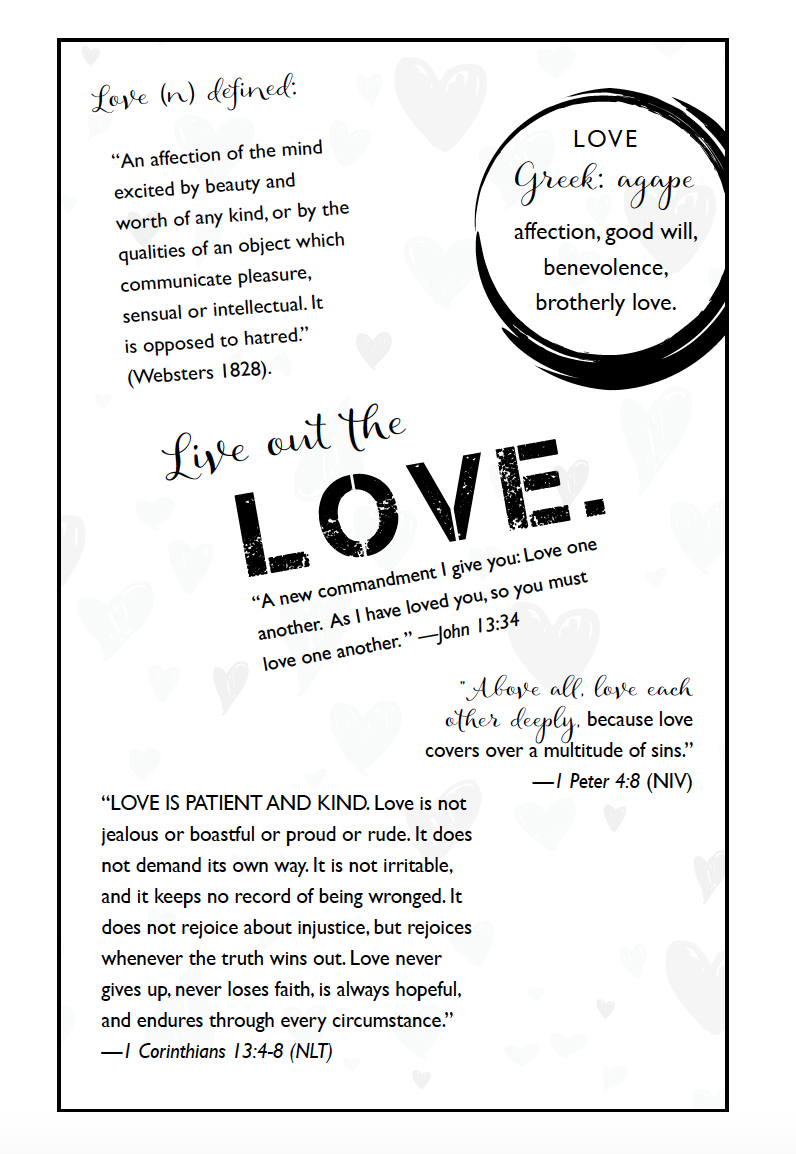
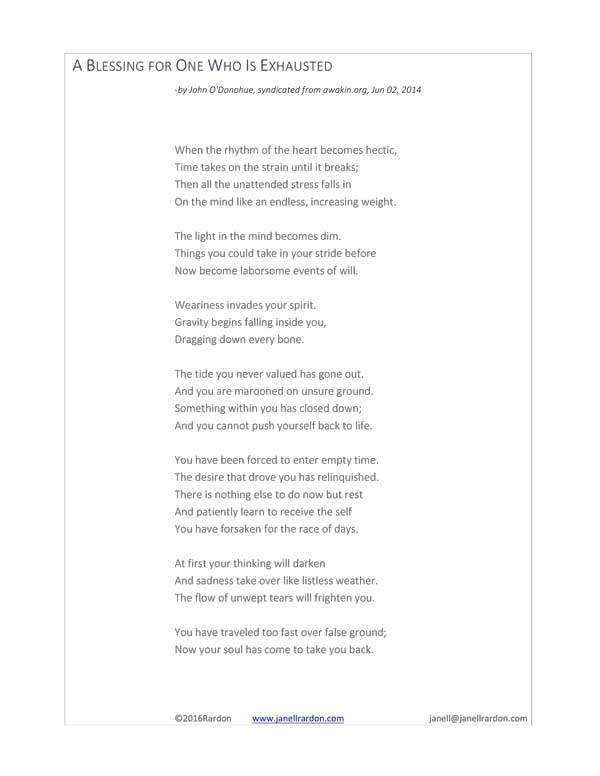
Living relationally means approaching life with a deep awareness that we are shaped through our connections—with others, with ourselves, and with God. It involves showing up with authenticity, practicing empathy, and valuing mutual care over independence or isolation. Rather than striving to manage life alone, living relationally invites us to engage in honest, meaningful relationships where growth, healing, and belonging can take place.
But in a culture that often celebrates independence, productivity, and self-sufficiency, it can feel countercultural to slow down and prioritize relationships.
Living relationally invites us into a different way of being.
It’s less about “getting everything done” and more about being present.
Less about perfection and more about connection.
Less about control and more about mutual care.
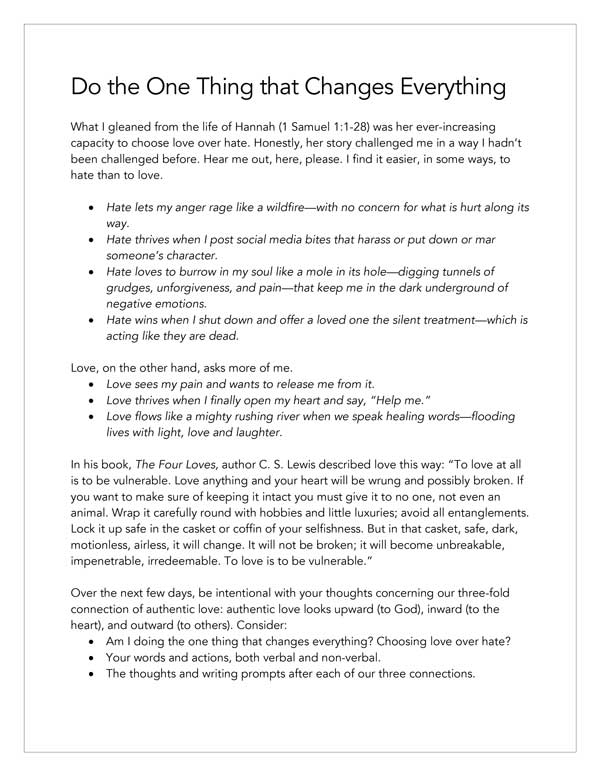
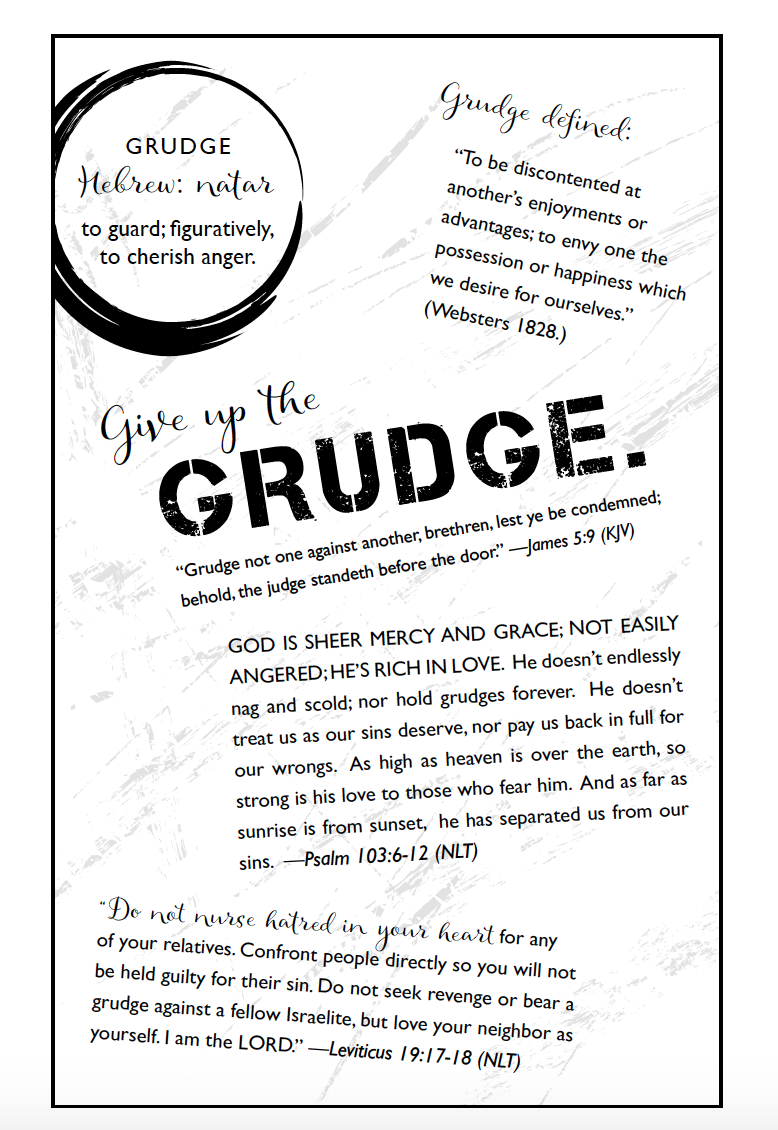
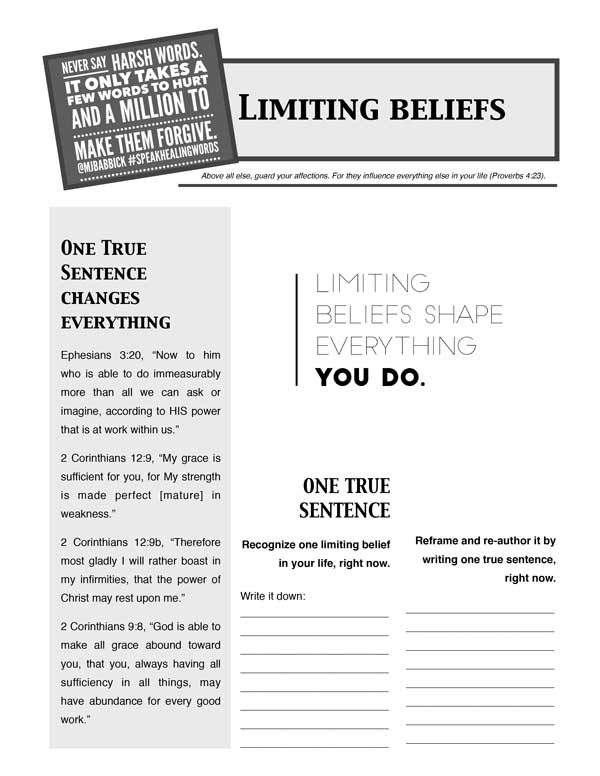
Learn how to speak healing words into your future, an excerpt from
Stronger Every Day: 9 Tools for an Emotionally Healthy You.




Waiting Room Meditation Exercise
Letter 1
Letter 2
Letter 3


Why I Write Books
I write books to help people become emotionally healthy because I believe that understanding and managing our inner world is the foundation for a meaningful, balanced life. So many people struggle in silence with stress, anxiety, chronic pain, past wounds, or confusion about their own feelings, and I want to offer clarity, comfort, and practical tools for growth. Writing allows me to reach others in a deeply personal way, helping them feel seen, heard, known, and less alone. I pray Stronger Every Day: 9 Tools for an Emotionally Healthy You adds strength for your healing journey.